
- Store:Náměstí míru 142, Domažlice
- E-mail:info@saman-shop.cz
- Phone:+420 603 886 844


Details
-
Name:
Mulungu -
Genus:
Erythrina -
Country of Origin:
Brazil -
Use:
Extract -
Dosage:
5 drops/day -
Other names:
Rubella, Erythrina Mulungu -
Caution:
Pregnant and lactating women after consulting a doctor. -
Category:
Woods - Find in the e-shop
Mulungu
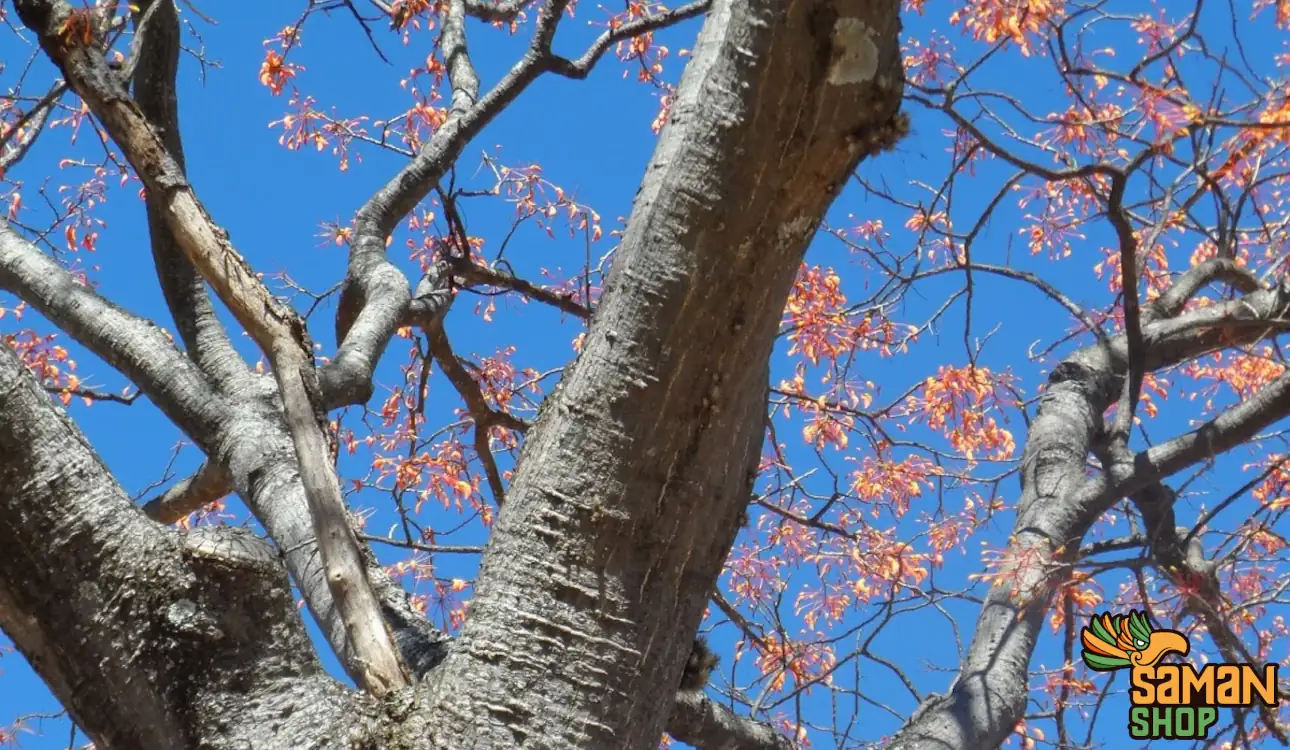
With the Latin name Erythrina mulungu, sometimes popularly called Rhizome, it is a plant belonging to the family Fabaceae and subfamily Lepidoptera of shrubs to tree-like woody plants, growing in several species in tropical regions of the world, where they are cultural trees of many nations. It is therefore a tree, in rare cases even a medium-sized shrub, which in most cases is covered with thorns or spines. It grows to a height of 10 to 14 meters. It produces orange-red flowers, which are usually pollinated by hummingbirds. Sometimes this tree is popularly called "Coral Flower", because its identical color of inflorescences resembles orange coral.
Mulungu is native to Brazil, where it later spread to Peru and other tropical parts of Latin America and was officially first recorded in 1829. It immediately received 2 well-known botanical names: Erythrina Mulungu and Verna. In pre-Columbian civilizations, a decoction of the bark of this tree was used to overcome the fear of battle and the hardships of war. It is of great interest that the bark was and still is used by the indigenous peoples there, especially in the Amazon region, not only as a medicine, but also as an insecticide to kill parasites or as a fish poison. Mulungu is still used in Brazil for pharmaceutical purposes, where it is used for mood disorders.
WHAT DOES MULUNGU CONTAIN?
To make matters worse, Mulungu also contains a total of 80 compounds that have beneficial effects on our body. Modern medicine has discovered a number of biologically active substances in mulung, the most important of which are the isoflavonoids daidzein and phaseollin, as well as other alkaloids. Animal experiments have shown a strong anxiolytic and anticonvulsant effect of this herb, for which the erythrine alkaloids, especially erythravine and erysotrin, are responsible.
OTHER PRODUCT NAMES
You may also know the herb under foreign or incorrect names. Erythrina mulungu, Mulungu, Coral Flower, Corticeira, Murungu.
COUNTRY OF ORIGIN
Brazil
This is an automatic machine translation.