
- Store:Náměstí míru 142, Domažlice
- E-mail:info@saman-shop.cz
- Phone:+420 603 886 844


Details
-
Name:
Maitake -
Genus:
Grifola -
Country of Origin:
China -
Use:
Capsules -
Dosage:
1-2 capsules/day -
Other names:
Grifola frondosa -
Caution:
Pregnant women after consulting a doctor. -
Category:
Mushrooms - Find in the e-shop
Maitake
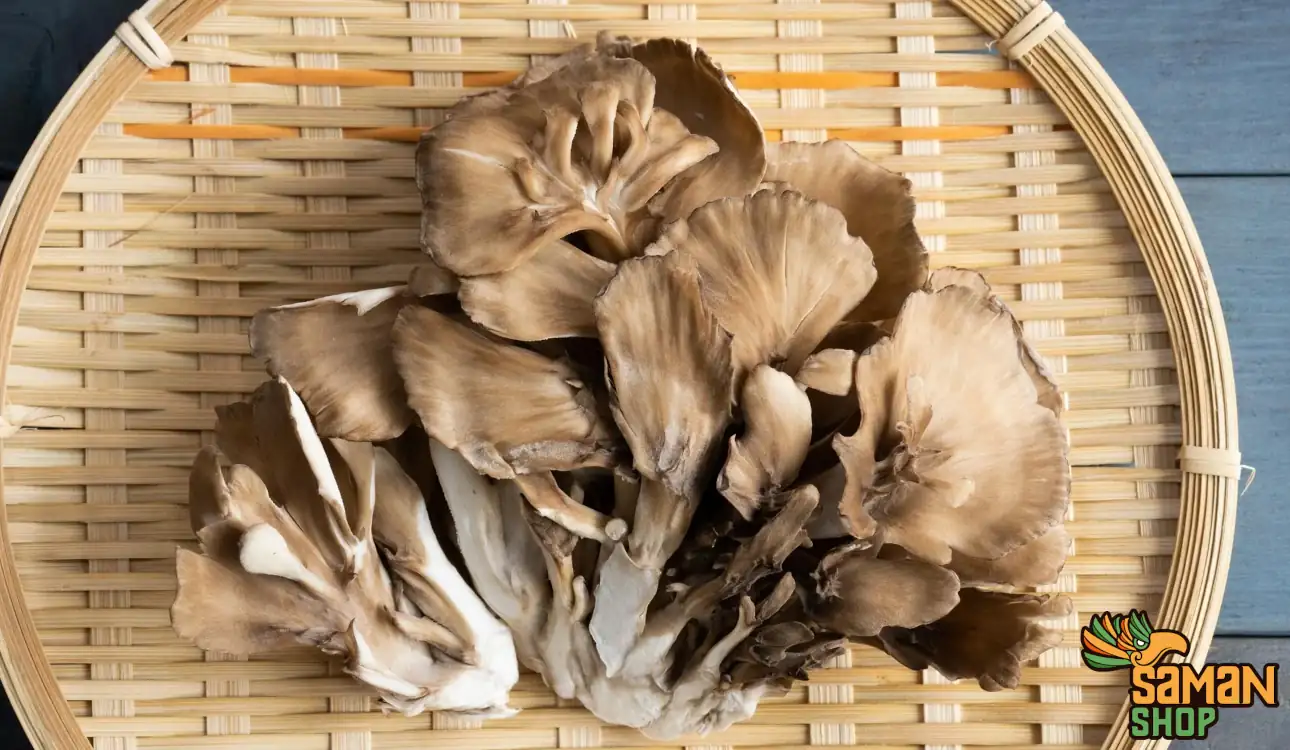
The Maitake mushroom, also known as the "Dancing Mushroom", is an edible mushroom that occurs on oak trunks near the roots. It grows in massive clusters and its branches and twigs form concentric circles. The mushroom caps fit together and resemble a fan. The mushroom is gray to gray-brown in color and the underside of the cap is covered with white flesh with tiny pores. Its homeland is northeastern Japan and North America. Currently, Maitake is grown by cultivation in sawdust and is also available on the Czech market in extract form. This wood-decaying mushroom resembles a fungus and its cluster can weigh 20-50 kg. Mushroom pickers find it in the same places for many seasons, but it is no longer very common in the wild.
SIDE EFFECTS OF USE
If you follow the recommended daily dose, you will not be exposed to any side effects. However, we must warn pregnant and breastfeeding women and people with health restrictions, especially diabetes, to discuss the use of Maitake with their doctor.
WHAT IS THE RIGHT DOSE?
As for dosage, the optimal is 1 to 2 capsules per day. If you are just starting out with Maitake, take 1 capsule and see how it affects your body. If necessary, double the dose to 2 capsules per day.
HOW TO USE IT BEST?
The capsules are not chewed, but swallowed straight away. Put them in your mouth and drink, preferably with 200 ml of water. You can also try the second alternative and pour the contents of the capsule into water, stir and drink. This use of Maitake is suitable for people who have difficulty swallowing capsules.
OTHER PRODUCT NAMES
You may also know the herb under foreign or incorrect names. Maitake, Hen of the Woods, eikhaas, Koppelokääpä, Polypore en touffe, Poule de bois, Laubporling, Korallkjuke, grib-baran, Grifola frondosa
COUNTRY OF ORIGIN
China